Story
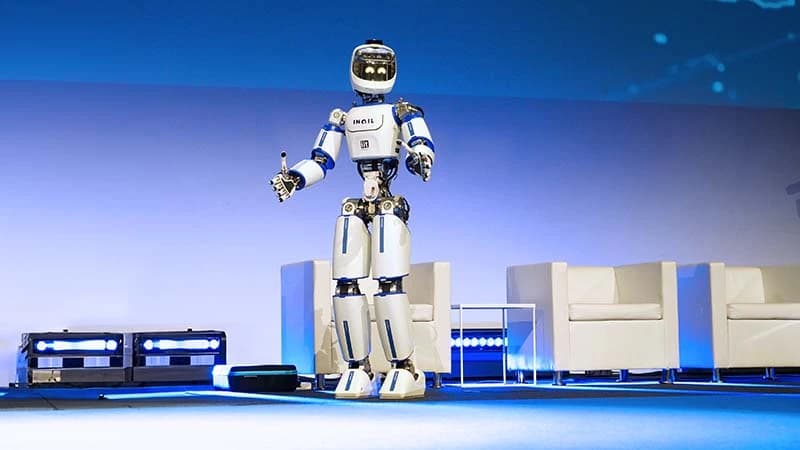
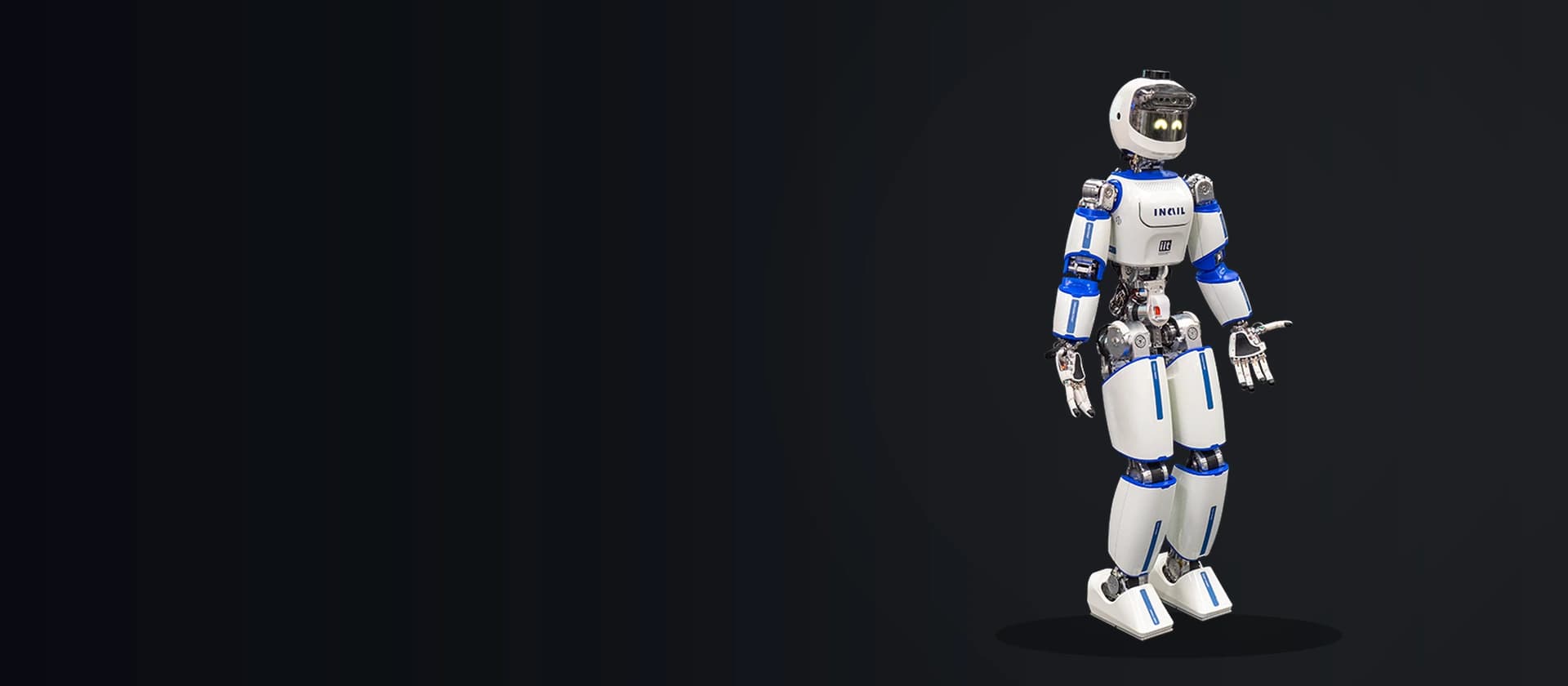
ergoCub is a distinct bipedal research humanoid developed through the Italian Institute of Technology and INAIL's human-aware robotics program. It is related to iCub through its research lineage, but it is not an iCub variant and does not inherit iCub's profile claims.
The official project lists a 150 cm body and approximately 10 kg load-bearing capability. It also lists 55.7 kg mass, while a figure in the peer-reviewed Nature Machine Intelligence paper appears to show 56.7 kg. Rather than choosing a convenient number, HumanoidRoster leaves weight out of the normalized spec panel until the project clarifies the configuration or revision difference.
The evidence is strongest where research robots should be strongest: transparent methods and controlled experiments. The paper documents hardware and physical-intelligence co-design, collaborative payload lifting, locomotion characterization, and human-ergonomics objectives. That justifies a strong evidence score without turning ergoCub into a commercial-worker claim.
Reality check
ergoCub is a physical bipedal research platform documented through an official project, public hardware imagery, controlled collaboration experiments, and a peer-reviewed Nature Machine Intelligence paper. Its evidence quality is unusually strong, but it remains a research prototype rather than a commercially deployed worker, and the public record does not establish unsupervised field operation, production availability, uptime, or safety performance.
- The official project identifies ergoCub as a distinct bipedal humanoid developed by IIT and INAIL for human-aware physical collaboration
- The official robot page lists 150 cm height, 55.7 kg mass, and an approximately 10 kg load-bearing claim
- A peer-reviewed Nature Machine Intelligence paper describes hardware and physical-intelligence co-design against human ergonomic metrics
- The paper presents controlled collaborative payload-lifting and locomotion characterization
- The project has demonstrated remote teleoperation and research autonomy components
- The official page lists 55.7 kg while a paper figure appears to label the robot at 56.7 kg; HumanoidRoster withholds normalized weight pending clarification
- The approximately 10 kg capacity remains a project claim and is not a general lifting benchmark for every pose or task
- Controlled research experiments do not establish unsupervised industrial deployment, general autonomy, production availability, uptime, or a field safety record